Larian Studios AI Controversy Ignites Gaming Industry Debate
Larian Studios' use of generative AI in game development sparks controversy, dividing fans over innovation versus human creativity in 2025.
In a surprising turn of events, Larian Studios, the acclaimed developer behind hits like Baldur's Gate 3 and the newly announced Divinity, has found itself in hot water over its admission of using generative AI in game development. CEO Swen Vincke recently addressed the uproar in an interview, assuring players that the technology is only a temporary tool for early stages like prototyping and won't make it into the final games. This revelation, however, has stirred a hornet's nest among fans and industry insiders, sparking heated debates on platforms like Reddit and ResetEra. With generative AI being a hot-button issue in 2025, the studio's stance has divided the gaming community—some see it as a silver lining for efficiency, while others decry it as a lazy shortcut that undermines human creativity. Vincke's insistence that all finished content remains human-made hasn't fully quelled the concerns, especially after reports of employee dissatisfaction surfaced. As the dust settles, the gaming world watches closely to see if this controversy will blow over or escalate into a full-blown crisis. 😮
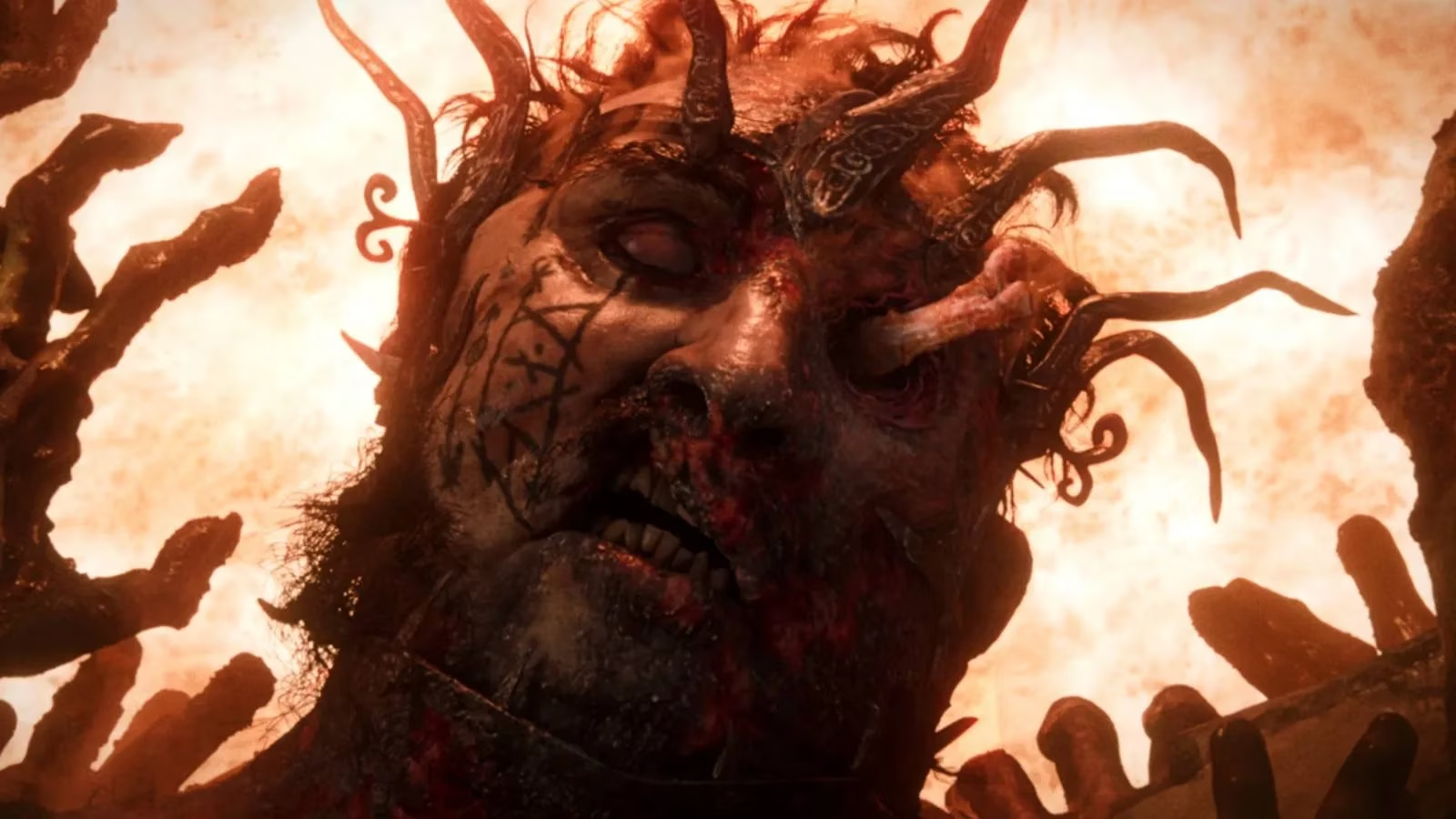 Divinity Larian Studios Corpse
Background of the Controversy
Larian Studios, riding high on the wild success of Baldur's Gate 3 in 2023, made waves again at the 2025 Game Awards with a gory, NSFW trailer for Divinity. But the hype quickly turned sour when Vincke openly discussed the studio's generative AI use in a Bloomberg interview. He revealed that AI is employed for tasks such as creating PowerPoint presentations, prototyping, and placeholders during early development phases. For instance, concept art has been generated using AI, which Vincke described as a way to "test the waters" before human artists step in. This admission, though framed as a minor efficiency boost, has ignited a firestorm online, with many gamers feeling betrayed. On Reddit, threads exploded with comments calling it a "slippery slope" towards automation, while ResetEra users debated whether this crosses an ethical line. The backlash is part of a broader industry trend in 2025, where AI integration has become a divisive topic, pitting innovation advocates against those fearing job losses and artistic integrity. 🤯
Vincke's Defense and Employee Reactions
Vincke has doubled down on his position, emphasizing that generative AI is merely a stepping stone, not a crutch, for Larian Studios. In his words, "Everything is human actors; we’re writing everything ourselves," meaning that final games like Divinity will be 100% human-crafted. He argued that using AI for placeholders helps streamline workflows without affecting the end product—a point that has some supporters nodding in agreement. However, not everyone at the studio is on board. Publishing director Michael Douse recently tweeted, "AI artists are insufferable," highlighting internal tensions. This split reflects the studio's culture: while Vincke claims most employees are "OK with the way we’re using it," anonymous sources suggest that concept artists feel their roles are being undermined. The debate has put Larian Studios between a rock and a hard place, balancing efficiency gains with potential morale hits. Here's a quick comparison of the key arguments from both sides:
| Supporters' Views | Opponents' Views |
|---|---|
| AI speeds up prototyping, saving time and resources | It's a lazy plagiarism machine that devalues human effort |
| Placeholder use doesn't harm final quality | Could lead to job cuts for artists and writers |
| Vincke's assurance of human-made games is trustworthy | Past promises in the industry have been broken, so skepticism is high |
Fan Reactions and Industry Implications
The fallout has spread like wildfire across gaming communities, with Reddit threads amassing thousands of comments. Some fans are giving it a thumbs-up, saying, "If it ain't broke, don't fix it—AI for placeholders is no biggie." Others, though, are up in arms, posting memes and rants about how this could set a dangerous precedent. For example, one popular thread titled "Larian's AI Betrayal" garnered over 5,000 upvotes, with users sharing fears that AI might creep into later development stages. This isn't just a tempest in a teapot; it reflects wider 2025 concerns about AI in gaming. Pros include faster iteration and cost savings, but cons involve ethical dilemmas and potential quality drops. Consider the key points in a list format:
-
Pros of AI Use:
-
🚀 Boosts efficiency in early phases (e.g., quick concept art drafts)
-
💡 Allows for more experimentation without high costs
-
🤝 Frees up human talent for core creative tasks
-
Cons of AI Use:
-
😠 Risks job displacement for roles like concept artists
-
🧐 Questions about originality and copyright issues
-
🔥 Could alienate fans who value handcrafted experiences
Amid this, Vincke has hinted at no plans to back down, stating in interviews that he'll "keep pushing forward" with the tech. But the studio must tread carefully; if mishandled, this could tarnish their reputation built on Baldur's Gate 3's success. Industry analysts predict that as AI tools evolve, more studios might face similar scrutiny, making Larian's case a bellwether for 2025 gaming ethics. 😬
Looking Ahead
Despite the controversy, Larian Studios remains committed to delivering high-quality, human-driven games. Vincke's promise that generative AI won't feature in finished products like Divinity offers a glimmer of hope for skeptics. Yet, genuine concerns linger about how this early use could ripple through development—after all, prototyping is often the foundation for everything else. If the studio can navigate this minefield and maintain transparency, it might turn lemons into lemonade. But for now, the gaming world holds its breath, wondering if this AI saga will fizzle out or explode into a bigger mess. Only time will tell if Larian's gamble pays off or backfires spectacularly. 🎮