Four Friends and One Very Crowded City: A Baldur’s Gate 3 Co-op Story
Baldur's Gate 3 co-op shines early but Act 3 multiplayer overload threatens the party.
The four heroes had survived the crash, the grove, and the shadow-cursed lands. They had laughed through goblin ambushes, argued over loot, and learned to coordinate spell slots like a tabletop group that had finally found its rhythm. In 2026, years after release, Baldur's Gate 3 still offers one of the most inviting co-op adventures in modern RPGs: online multiplayer and split-screen play make it feel like a real Dungeons & Dragons campaign without a Dungeon Master. Yet the story of these four friends is also a warning. The further they pushed into the Sword Coast, the more their shared adventure threatened to become multiplayer madness.

The Early Acts: A Party Finding Its Footing
Act 1 is where co-op parties fall in love with the game. The Emerald Grove and the goblin conflict give the group a clear focus, and the dialogue-to-adventure ratio feels manageable. One player negotiates, another scouts, and a third accidentally starts a fight that the fourth somehow wins. The party gains traction together, and the game's accessible multiplayer structure encourages exactly that kind of shared chaos.
Act 2 raises the stakes. The Shadow Curse and Moonrise Towers add more paths and more decisions, but the campaign still feels cohesive for two to four players. The group can divide small tasks, regroup for battles, and keep the main thread in sight. It is busy, but it is tolerable. The cracks only begin to show when the party reaches the city.
Act 3: The City That Swallows Parties
When the heroes finally arrive in Baldur's Gate, the game stops being a guided tour and becomes a crowded marketplace of stories. Every corner seems to hide a side quest. Every building introduces another NPC with a problem, a secret, or a tragic backstory. For a single player, this abundance is already overwhelming. For a multiplayer party, it can become a genuine nightmare of scheduling, attention, and competing priorities.
| Act | Co-op pressure | Why it matters |
|---|---|---|
| Act 1 | Low | The grove and goblin conflict keep the party focused |
| Act 2 | Medium | The Shadow Curse and Moonrise Towers add more paths |
| Act 3 | High | NPCs, side stories, companion quests, and ally gathering pile up |
One of the quiet problems is dialogue. In co-op, every player should listen to the others' cutscenes to keep up with the story, but that becomes sluggish when the city is packed with conversations. Quest lines stretch across Baldur's Gate, and the party encounters something new in almost every area. Learning what matters is a huge challenge even alone; discovering every secret with four players is another matter entirely.
The main quest against the Elder Brain makes this pressure worse. Many side quests and companion quests lead to rallying allies for the final battle, and the more allies the party makes, the bigger the advantage against the Elder Brain. That investment is worth it, but completing a long stream of quests across the whole city with two to four players who all need to pay attention is troublesome. The multiplayer system itself is accessible; the human side is the real boss.
Do Not Split the Party
Multiplayer parties are encouraged to stick together and solve quest lines as they come. Much like a real-life campaign, party members rely on each other for both story and combat. Act 3 throws difficult encounters left and right, and splitting up to cover more ground quickly often backfires. With too much ground to cover, more player characters can mean more hardships, not fewer.
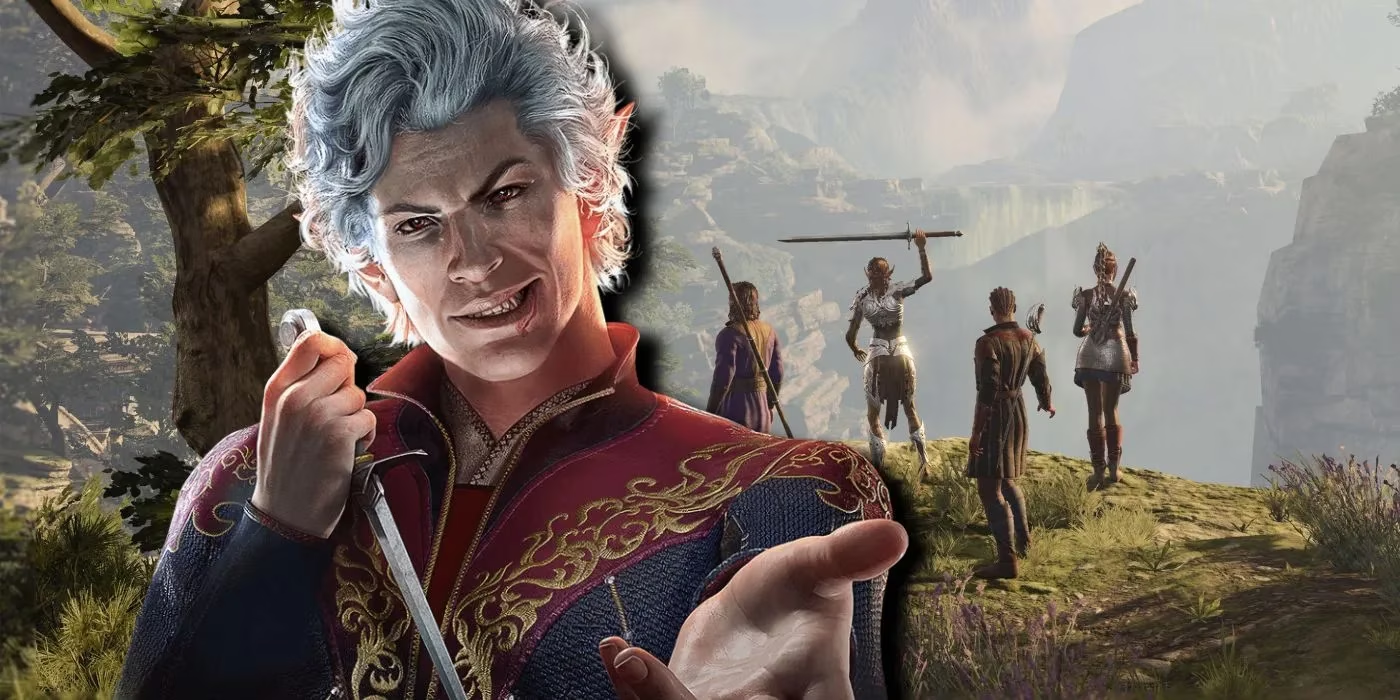
The smaller the party, the easier Act 3 becomes to tolerate. Two players may have a smoother experience than four, especially on a first playthrough. They can stick together more easily, digest dialogue together, and bring along two non-player companions for battle assistance and story development. Four players may be harder to wrangle while exploring the city. Even when they work well as a team, there is simply too much to do. Large parties also have fewer opportunities to hear comments and remarks from their non-player companions, leaving those lines to be debriefed before long rests.
A Campaign for the Patient
Completing an entire Baldur's Gate 3 campaign in multiplayer requires dedication. There are technical differences between single-player and co-op gameplay, but the bigger challenge is questing and story digestion. Too many NPCs and side quests appear in Act 3, and larger parties can feel overwhelmed. Listening to each dialogue scene together helps the group gauge what matters, but it also slows the pace.
For newer players, a solo playthrough before stacking up friends in a four-player run may be the wisest path. The game is a massive fantasy epic that can consume hundreds of hours, and its volume only grows as the campaign continues. Act 1 is merely a taste of what lies ahead. Multiplayer in Baldur's Gate 3 is still a crucial adventure, one that emulates a real D&D party with mountains of content and an almost over-prepared Dungeon Master. But the best co-op groups are the most collaborative and patient ones. They stick together, share the dialogue, and accept that Baldur's Gate is not a city to conquer quickly. It is a city to survive together. 🎲⚔️",
"title_note": "