Avowed's Living Lands: A Massive, Yet Intimate RPG World That Shatters Expectations
Avowed's Living Lands world structure masterfully blends vast, hand-crafted zones with the narrative density of Baldur's Gate 3, offering a revolutionary fantasy RPG experience.
Let me tell you, stepping into the Living Lands as the Emperor's Envoy in 2026 is an experience that completely rewired my brain about what a fantasy RPG world can be. Forget everything you think you know about sprawling, empty sandboxes! Obsidian Entertainment, those absolute mad geniuses behind Fallout: New Vegas, have crafted something that feels simultaneously vast and meticulously hand-stitched. I was sent to investigate the soul-devouring Dreamscourge, and what I found wasn't just another continent to mindlessly sprint across. No, this was a world with purpose, density, and a terrifyingly beautiful sense of place. It’s not an open world. It’s something better.
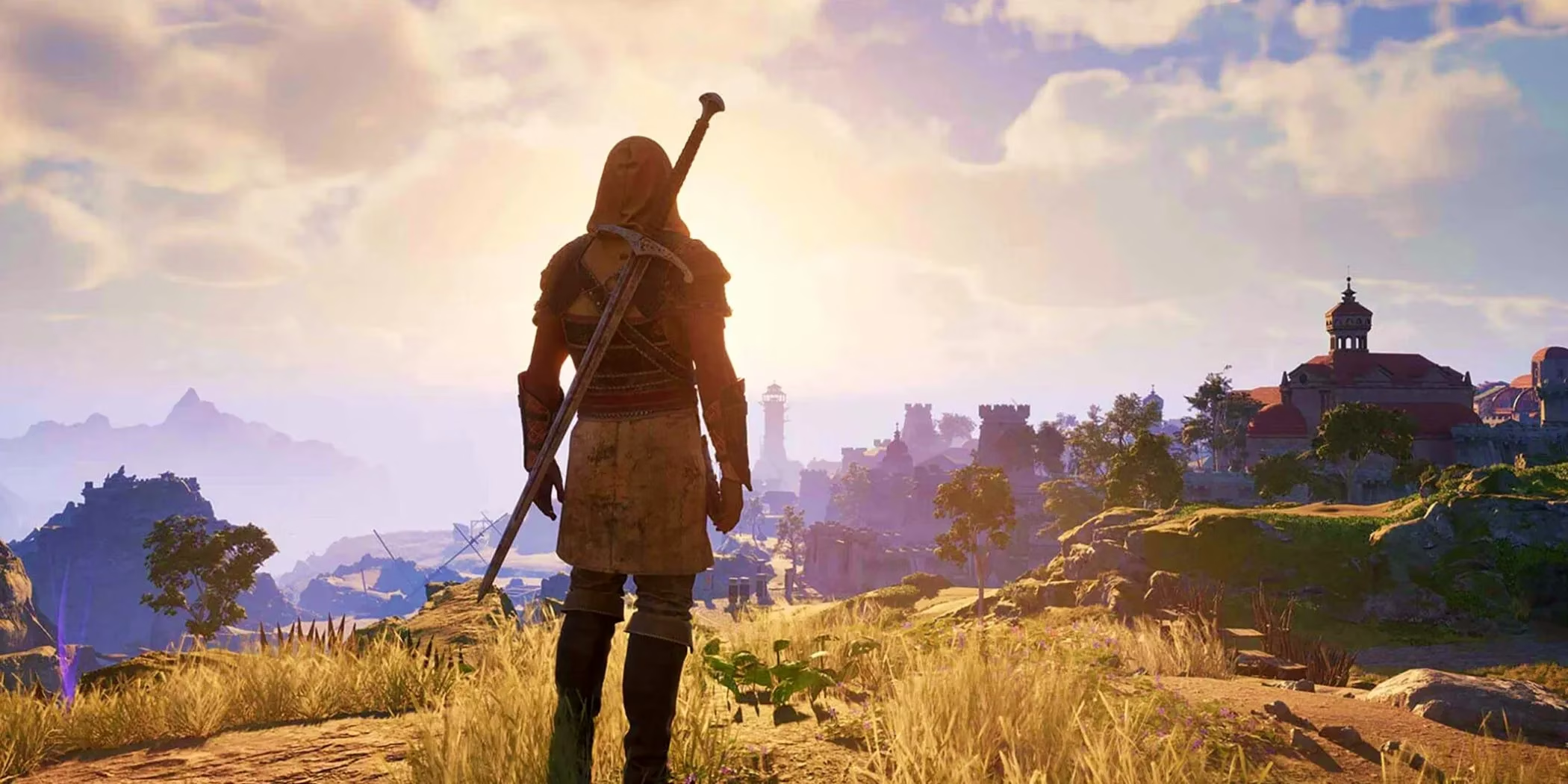
Avowed's World Structure: Think Baldur's Gate 3, Not Skyrim
This is the most important thing to understand, and I need to shout it from the rooftops: Avowed is NOT the Skyrim successor you might be dreaming of. I went in expecting to fill a virtual house with wheels of cheese and get lost for 300 hours, but Obsidian had a different, frankly more brilliant, plan. Instead of one monotonous, contiguous landmass, Avowed is masterfully split into separate, gargantuan explorable zones, much like the critically acclaimed chapters of Baldur's Gate 3. The comparison is not just apt; it's essential. The game is structured around four primary settlements, each acting as a narrative and geographical hub for a massive surrounding region. This isn't a limitation—it's a design superpower.
Here’s the glorious order of my journey:
-
Paradis in Dawnshore: The first major stop. A sprawling, complex frontier town that instantly makes The Outer Worlds' settlements look like quaint dioramas.
-
Fior mes Ivèrno in the Emerald Stair: A location shrouded in mystery, where the environment itself feels like a character.
-
Thirdborn in Shatterscarp: A region defined by its harsh, impassable cliffs that funnel you into intense, deliberate paths of exploration.
-
Solace Keep in Galawain's Tusks: The final major bastion, promising a climax as epic as the landscapes that house it.
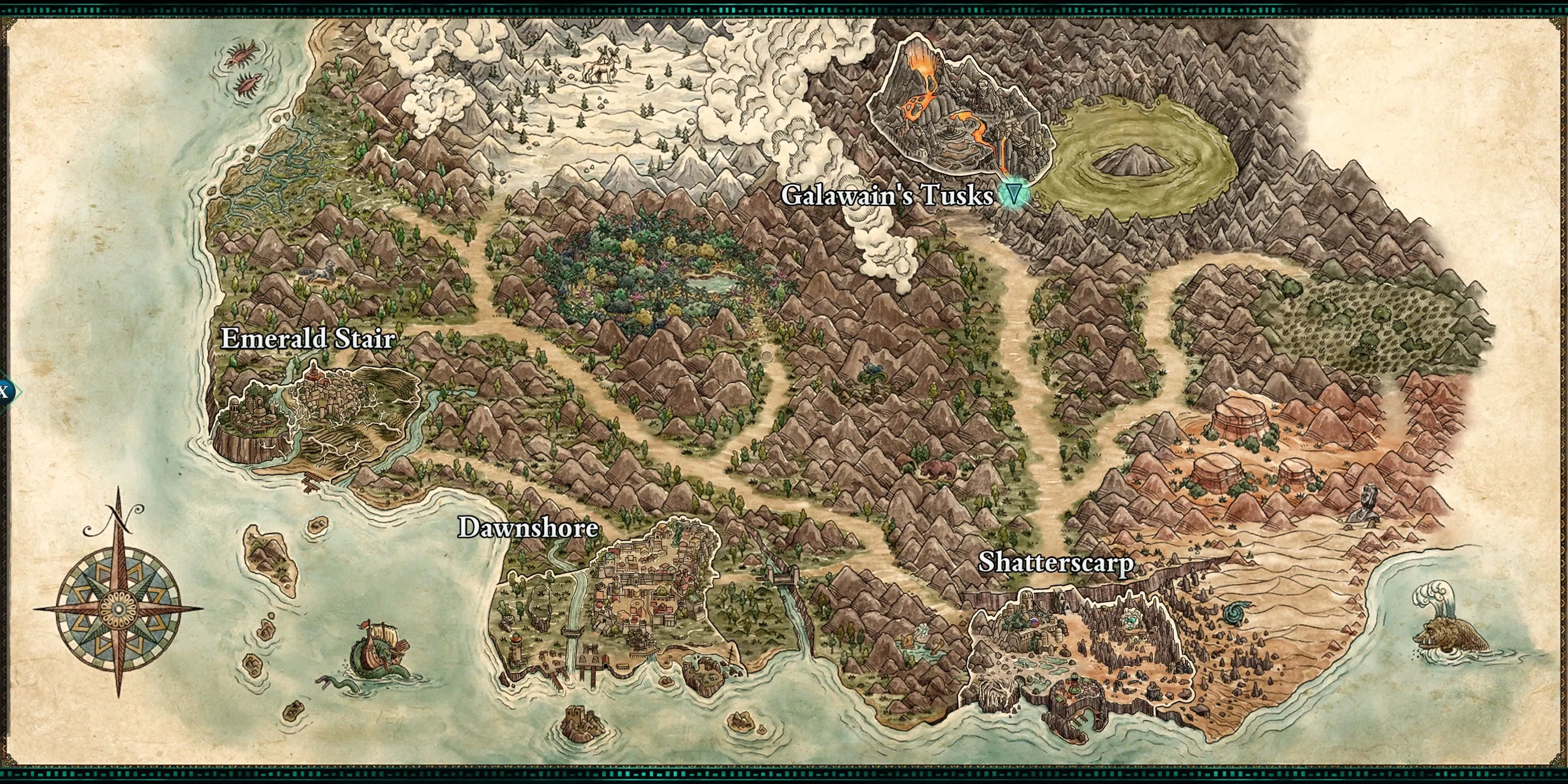
Each of these regions functions almost like its own self-contained world, packed to the absolute brim with secrets. Just like in BG3, you'll find characters with deep, branching stories hiding in corners, legendary items tucked away in forgotten ruins, and unexpected encounters that can change the course of your mission. The density is insane! Some areas offer open-ended exploration that had me wandering for hours, while others, particularly within the claustrophobic canyons of Shatterscarp, deliver a more focused, intense experience that ratchets up the tension perfectly. It’s a dynamic, living world that values quality of space over mere quantity of square miles.
Bigger, Badder, and Bolder Than The Outer Worlds
As a veteran of Halcyon, I can say with absolute authority: Obsidian has leveled up. Avowed’s regions don’t just feel larger than the planets and zones of The Outer Worlds; they feel deeper, more dangerous, and infinitely more rewarding to explore. Let’s break down the evolution:
| Feature | The Outer Worlds (2019) | Avowed (2025) | My Verdict |
|---|---|---|---|
| Region Size | Compact, streamlined planets & zones. | Expansive. Each region feels notably larger and more layered. | Avowed wins. The sense of scale is profoundly different. |
| Settlement Complexity | Quirky, memorable towns like Edgewater. | Metropolis-level design. Paradis is a tangled, multi-district city with verticality and hidden alleys. | No contest. Paradis alone has more narrative corners than several Halcyon towns combined. |
| Dungeon Count & Scale | A handful of key facilities and caves. | Prolific and sprawling. Multiple dungeons per region, with some being labyrinthine epicenters of lore and loot. | Avowed turns dungeon delving into a core, thrilling pillar of exploration. |
| Overall Design Philosophy | Tight, satirical, and concise. | Ambitious, dense, and lore-rich. A clear, confident evolution of the formula. | Avowed is the ambitious big brother, flexing Obsidian's matured world-crafting muscles. |
The cities alone are a revelation. Paradis isn't just a town; it's a character. It's so large, in fact, that it's cleverly split into two separate loading zones—a technical decision that undoubtedly allows for the incredible detail and NPC life bustling within each district. While it may not have the singular, seamless footprint of Baldur's Gate city from BG3, the trade-off is a location that feels alive and intricate without performance hitches. Playing this in 2026, with the knowledge of The Outer Worlds 2 released last year, it's crystal clear that Avowed was Obsidian's statement piece: their first-person RPGs can have immense, intimate scope.
Why "Not Open-World" is Avowed's Greatest Strength
I need to address the elephant in the room: you cannot walk from one end of the Living Lands to the other. The map is not "open-world" in the traditional Skyrim or The Witcher 3 sense. And thank the gods for that! This is a deliberate, empowering choice. Avowed is a tightly designed narrative RPG first. It wants to tell a compelling story about the Dreamscourge and your role as the Envoy, offering considerable branching paths and impactful choices along the way.
-
No aimless wandering: The terrain itself guides and challenges you. Those sheer cliffs in Shatterscarp aren't just pretty background; they are world-building tools that create a sense of peril and focus.
-
No sandbox shenanigans: You can't become a notorious cheese hoarder or a nocturnal shop cleaner. Your actions are woven into the fabric of the world's weighty conflicts.
-
Yes to curated discovery: Every hidden cave, overgrown path, and ancient ruin feels placed with intention. Finding them is a reward, not a checklist completion.
The collective explorable area is still massive—absolutely colossal by any sane standard—but every square foot has a purpose. It's a world that respects your time, filling it with meaningful content instead of vast, empty fields. This focused design allows for a density of storytelling and environmental detail that most true open-world games can only dream of.
A Visual Tour of the Living Lands (2026 Edition)
Having spent countless hours here, the world of Avowed is burned into my memory. It’s a place of stark contrasts and breathtaking beauty, all rendered in stunning detail with Unreal Engine 5. Let me paint you a picture with some of the vistas that left me speechless:
-
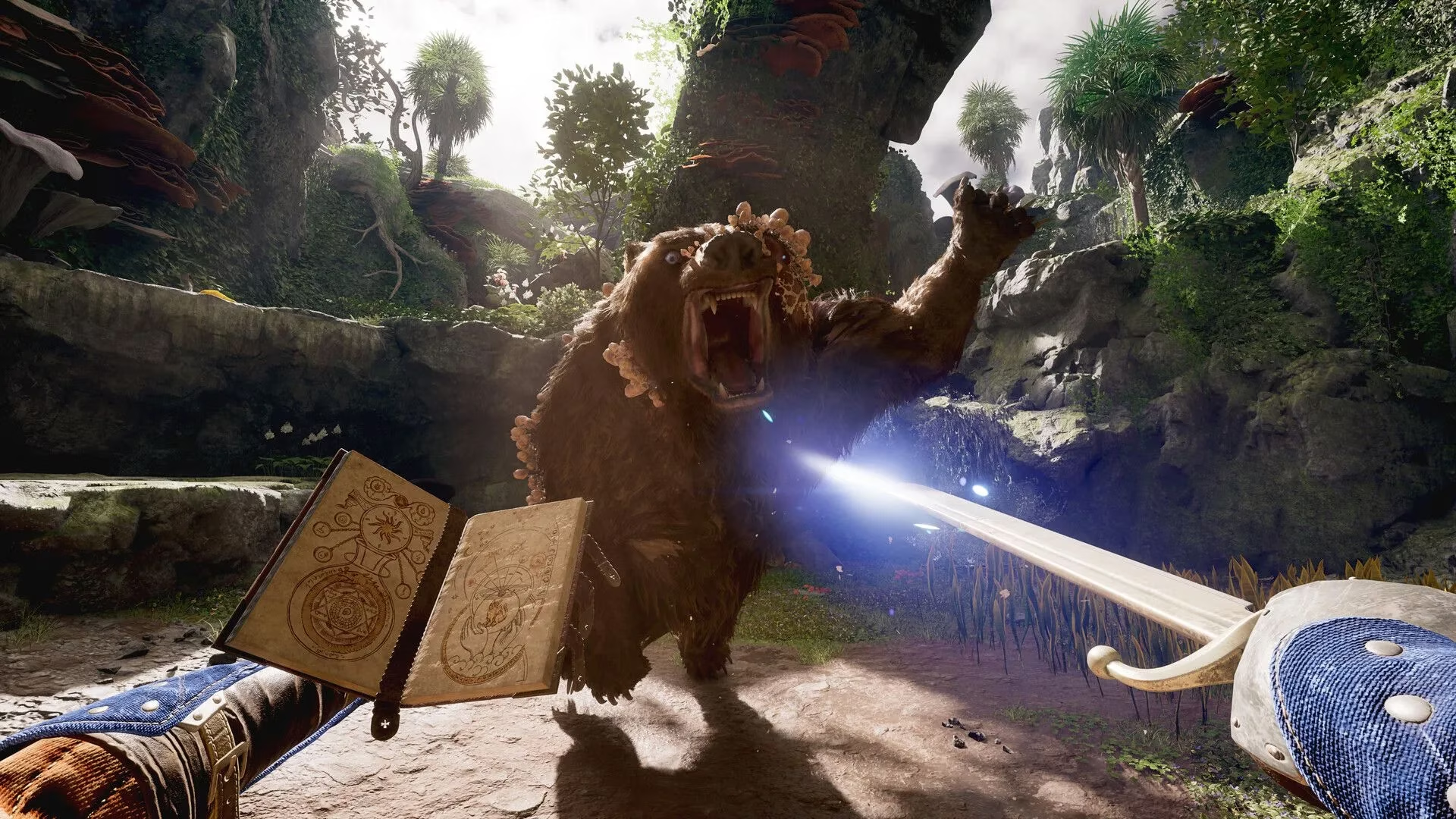 The bioluminescent fungi of the Emerald Stair, turning a simple forest path into an alien wonderland.
 -
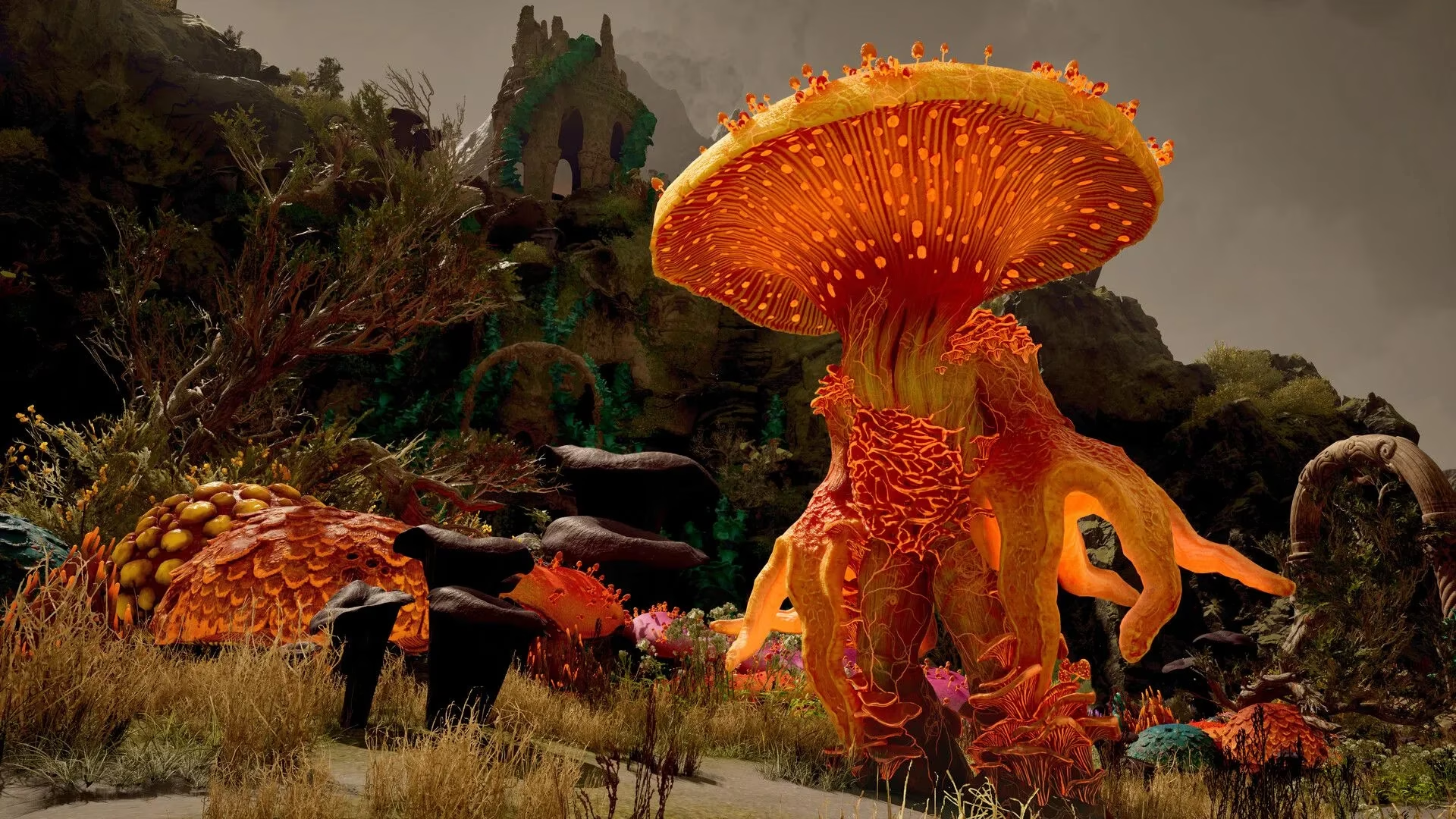 The haunting, silent grandeur of Aedyr ruins, where history whispers from every crumbling stone.
 -
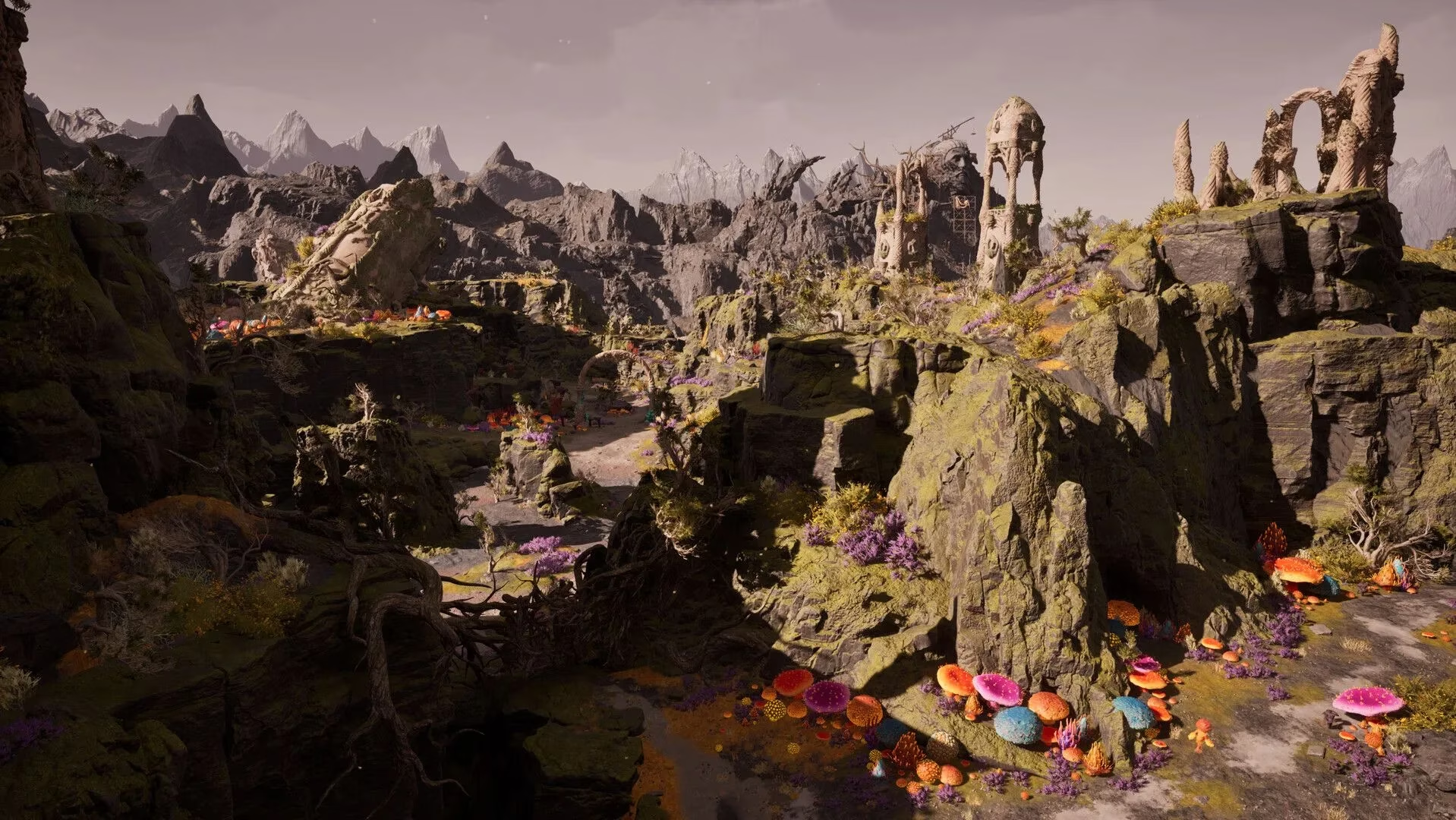 The chaotic, spell-slinging brilliance of combat in a rain-swept marsh.
 -
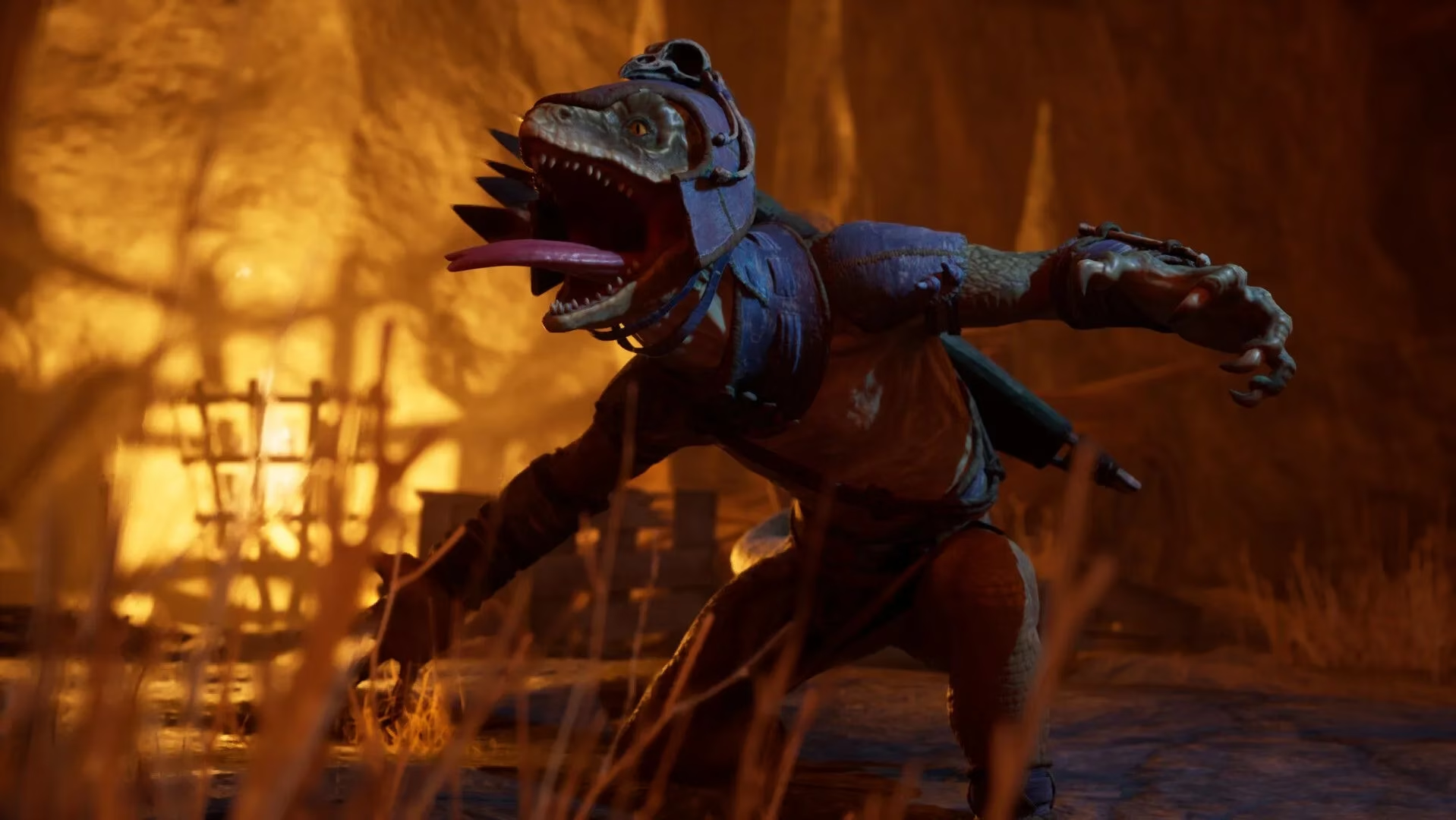 The oppressive, crystal-filled depths of a Shatterscarp mine, where danger feels palpable.
From the sun-drenched coasts of Dawnshore to the frozen peaks of Galawain's Tusks, each region boasts a unique visual identity that tells its own story before you even meet a single character. The world is a participant in the narrative, not just a backdrop.
In conclusion, as I play Avowed here in 2026, its legacy is already clear. It dared to redefine the RPG landscape by marrying the intimate, choice-driven storytelling Obsidian is famous for with environments that feel vast and explorable, yet meticulously crafted. It took the "zone" design of Baldur's Gate 3 and the first-person immersion of their own past work, then fused them into something greater. The Living Lands are not the biggest world in gaming, but I’ll be damned if they aren't one of the richest, most compelling, and thoughtfully designed worlds I've ever had the privilege to get lost in. It's a masterclass in focused ambition, proving that sometimes, the most epic journeys don't require a map that stretches to the horizon—they just require every inch of the map to be truly epic.